
Rabby Wallet: A Practical Take on a DeFi Browser Extension
Whoa, this is wild! I first installed Rabby to check its approvals and UX. Its interface felt surprisingly polished on first use, no needless fluff. Initially I thought it would be another extension with basic features, but then I dug into its approval management, chain support, and permissions flow and realized there's a thoughtful security layer aimed at people who actually use DeFi daily. I'm biased, but that security-first stance really stood out to me.
Seriously, it surprised me. On one hand the core wallet flows are familiar and unobtrusive. On the other, small features like approval revocation and contract allowlists changed how I approach permissions. My instinct said "don't just click approve" every time, and Rabby's prompts plus granular toggles—where available—helped me avoid careless permissions that later cause headaches when dapps ask for unlimited token approvals. Something felt off about the default allowance sizes though, and I wanted easier, quicker revokes.
Hmm... not perfect, though. In my testing across Ethereum and some layer 2s the chain switching was fast enough. I liked the transaction details panel, where gas fees and calldata were visible before confirmation. Initially I thought privacy would be the main limiter for browser extensions, but then I realized that permission management and approval tracking often deliver more concrete security benefits for active traders and liquidity providers who move funds across multiple smart contracts. That said, there's room to tighten the grants and approvals UI.
Quick start
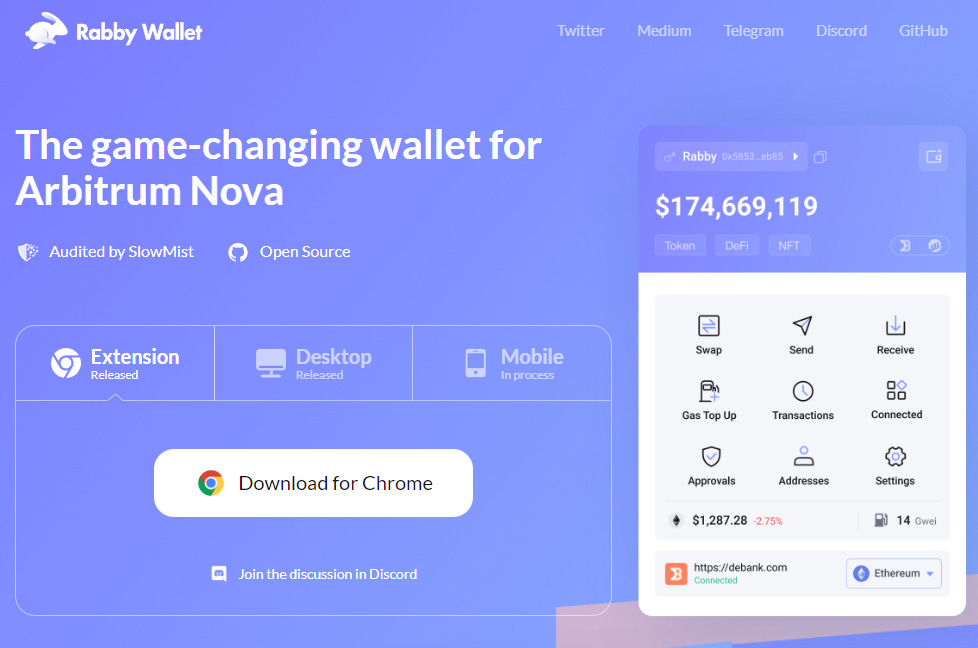
If you want to try it, grab rabby wallet download and evaluate it with small amounts first.
Here's the thing. I tried importing accounts and creating fresh ones; both workflows were fine. I also appreciated the swap integrations, but I still check prices externally. On a deeper level, this extension feels designed for people who know gas, slippage, and the risks of unlimited approvals—it's like a tool made by traders who also care about safety, not just a pretty UI. If you're juggling accounts and chains, that combination matters a lot.
Wow, really well done. Installation felt straightforward, but be wary of phishing and always verify the extension source. For a safe install on Chrome or Edge, verify the publisher and reviews first. Actually, wait—let me rephrase that: install from a verified source, cross-check the permissions during setup, and keep backups of seed phrases offline because browser extensions are convenient but still expose you to different threat models than hardware wallets. I'm saying this because convenience and risk are very very linked.
Here's what bugs me about it. The approvals UI could be friendlier for casual users who don't read calldata. On one hand advanced users get control, though actually less technical friends might get lost. But here's my working through the contradiction: a product must balance between exposing enough detail for power users while hiding dangerous defaults for novices, and achieving that requires deliberate UX experiments, iterative testing, and community feedback over months, not just an initial launch sprint. I'm not 100% sure on roadmaps, but I hope the team keeps iterating.
FAQ
Is Rabby safe to use for DeFi?
Short answer: it can be, if you follow good practices. Use small test amounts first, verify extension authenticity, and revoke approvals when possible. I'm biased, but careful setup reduces most common risks.
Can I manage multiple chains and accounts?
Yes, the extension supports multiple chains and multiple accounts. Expect quick chain switching and the ability to separate accounts by purpose (trading, staking, holding), which helps compartmentalize risk.
What should I watch out for?
Watch for phishing clones, never paste seed phrases online, and double-check contract approvals (don't accept unlimited allowances unless necessary). Also, somethin' I tell new users: document your recovery and test restores before trusting large sums.