How I Track NFTs and Tokens on Solana (and why solscan actually helps)
Okay, so check this out—I've been poking around Solana explorers for years. Wow! I keep finding small details that matter. My instinct said the tooling would get better faster, but it took a while. Initially I thought the UX problems were minor, but then realized they often hide big data issues that trip up traders and creators alike.
There's a lot to like about NFT tracking. Really? Yes. You get provenance, mint history, and price trails in one place. But the truth is messy; sometimes metadata is missing, other times the mint event is buried in a sea of transactions. Hmm... somethin' about that bugs me, because surface-level dashboards can mislead collectors.
If you're new to Solana NFT tracking, start with on-chain basics. Wow! See token mint addresses, owner wallets, and the transfer history. Then use token trackers to watch change over time. I'll be honest—nothing replaces hands-on sleuthing when you suspect wash trading or fake volume.
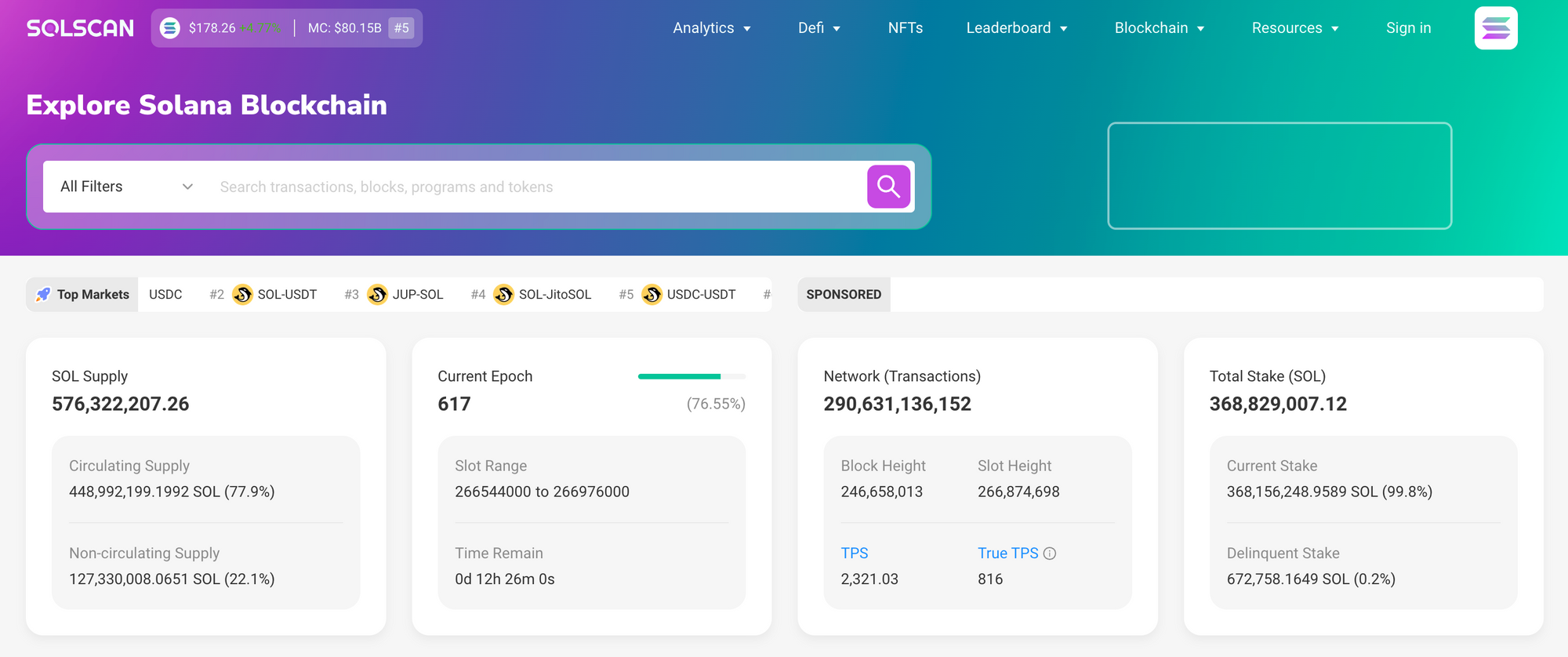
Why a good explorer matters (and how I use solscan)
Explorers are more than block readers. Really? Yep—they're the investigative tools of this space. They reveal relationships between wallets, show program interactions, and surface token metadata that marketplaces rely on. Personally I jump between balance views, transaction logs, and program data to triangulate truth. Also, if you want a practical tool that ties those pieces together, solscan is the one I keep coming back to.
Here's the routine I use for every suspicious drop. Wow! First, pull the mint address. Then inspect the initial mint transaction for creator keys and allocs. Next, scan for immediate transfers or batch mints—those patterns often signal bots or insider ops. Finally, monitor price action on secondary markets, though actually, wait—price alone rarely tells the whole story.
On one hand, automated dashboards flag anomalies quickly. On the other hand, they miss context. Initially I thought automation could replace manual checks, but then realized the opposite: automation is a great filter, and humans need to verify the hits. My process blends both; quick scans followed by deeper dives when red flags appear.
Tracking tokens is similar but with a twist. Wow! Fungible tokens need balance histories more than provenance. For tokens, I watch for concentration risk—how many wallets hold most of the supply. I also follow token program upgrades and mint authority changes, because those directly affect value and trust. Sometimes a single change in program authority will explain a sudden dumping event.
One practical trick I use involves watchlists. Really? Yes—create a short list of wallets tied to a project, and tag them. Then run periodic queries to check for outbound movements over threshold amounts. This exposes staged market exits and coordinated transfers. It's not perfect, but it reduces surprises.
Tools and features matter. Wow! Transaction filters, program decode, event logs, and token holders views are essential. When those are well integrated you can trace an NFT from mint to current holder in minutes. If the explorer also exposes on-chain metadata and IPFS links, you can validate whether the art stored off-chain matches claims on marketplace listings. That saved me from buying a misrepresented piece once—or twice, actually... sigh.
Okay, quick sidebar—some pitfalls to avoid. Wow! Don't rely exclusively on floor price snapshots. Don't assume identical metadata equals authenticity. Don't trust unverified marketplace delists as proof of scam—there's often nuance. I'm biased, but I think manual verification should be the final step before composition of any trust decision.
For devs building trackers, there are a few technical notes I keep repeating. Wow! Index the full transaction logs and store decoded program instructions for faster lookup. Use webhooks for wallet events to reduce polling costs. And please, cache token metadata responsibly—repeated on-chain pulls are expensive and slow. Also, design your UI to surface both summary signals and raw logs—people need both the headline and the receipt.
Something felt off about some marketplaces' "verified" badges early on. Initially I assumed badges were universal guarantees, but actually—verification standards vary wildly. So when you see a "verified" collection, dig a little. Check the mint authority, creator key, and first block time. If anything seems staged, follow the wallets involved. Patterns emerge fast once you look at several examples.
FAQ
How can I quickly spot wash trading or fake volume?
Look for tight loops of transfers between a small cohort of wallets and rapid repeated listings and buys within a short timeframe. Wow! Also check bidding and offer patterns—artificial volume often shows identical bid sizes and timing. On a deeper level, use token holder concentration metrics and wallet interaction graphs to confirm suspicions.
What should I do if metadata is missing?
First, try resolving the URI to IPFS or Arweave. Then cross-check the mint transaction for off-chain links. If no authoritative data exists, treat the asset as higher risk. I'm not 100% sure every missing link is malicious, but missing metadata reduces provenance confidence and should change your risk calculus.